Questionnaire ERD
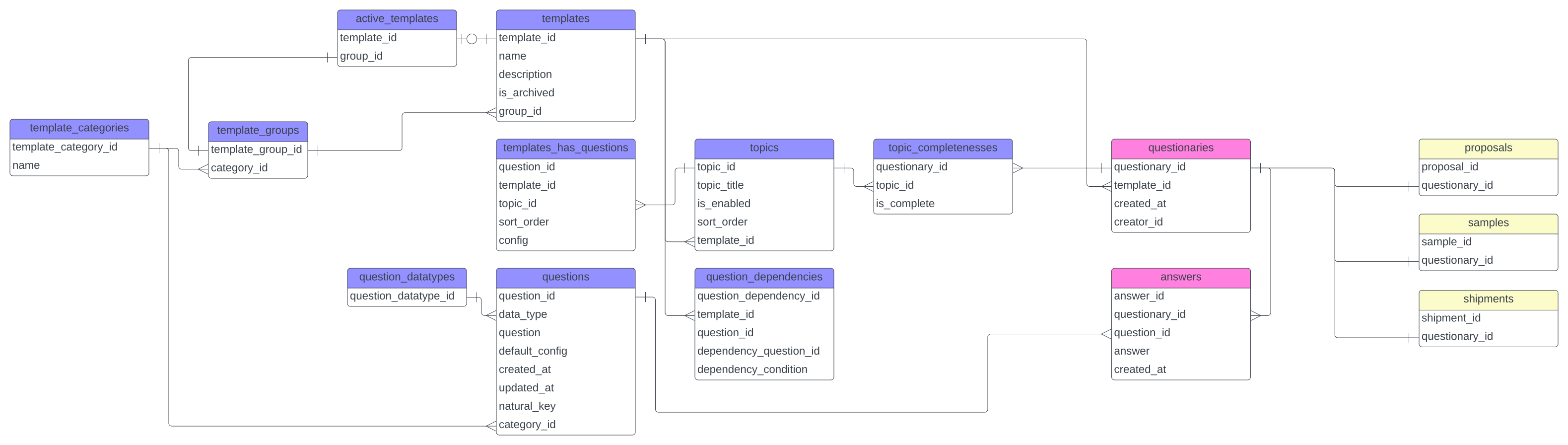
-
template_categories
Template categories are used to categorize templates and questions. This is so that only relevant questions for the template are used in the template. For example, questions for theVisitstemplate are not relevant in theProposalstemplate. -
template_groups
ProposalandProposal ESI (Experiment safety inputs)templates share the same template category because they utilize the same question bank, but they belong to different template groups because they have different purposes. A template group is used to further segregate the templates. -
active_templates
The templating system is a simple and generic question/answer system. Most use cases require to have one or more templates defined, but only one being active system-wide. The information about which is the active template for the group is stored in this table. For the front to use active_templates functionality you can use HOCwithMarkTemplateAsActiveActionand wrap theDefaultTemplatesTableor any other templates table. -
topics
Topics are a way to group questions within the template together in multiple steps. They have a clear visual representation in the questionnaire and are visualized as steps. -
question_dependencies
The template is a dynamic questionnaire form. It can be made so that the visibility of some questions depends on answers made for other questions before. This table describes these dependencies. -
templates
A set of questions -
questionaries
A set of answers -
proposals, samples, visits, etc...
In the context of questionnaires, these tables are external entities that reference the questionnaire as a related set of questions/answers questionnaire by itsquestionary_id